Blog
Anticipatory Grief: The Emotions That Can Come Before a Loss
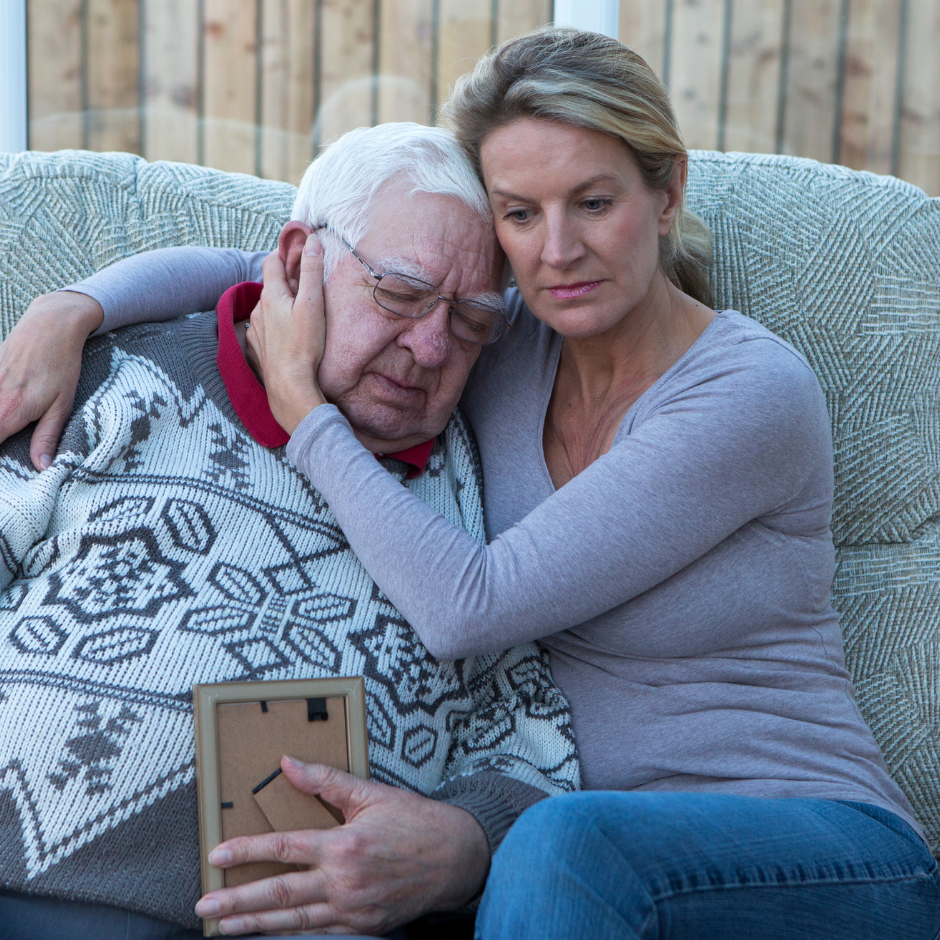
Grief is often associated with the death of a loved one, but for many people, grief begins long before a loss occurs. If someone you care about has been diagnosed with a terminal illness, is receiving hospice care, or is living with a progressive condition such as Alzheimer's disease or Parkinson's disease, you may find yourself mourning while they're still here.
This experience is known as anticipatory grief. While it can feel confusing or even guilt-inducing, it is a common and natural response to knowing that a significant loss is approaching.
Understanding Anticipatory Grief
Anticipatory grief is the emotional response that occurs when you know a loved one's life is coming to an end. Rather than beginning after death, grief emerges during the final stages of illness or decline.
In many cases, you're grieving more than the future loss itself. You may be mourning changes that have already occurred, such as the loss of a loved one's independence, personality, abilities, or role within the family. You may also find yourself grieving the future you imagined together while trying to prepare for life after they're gone.
At the same time, daily responsibilities often increase. Caregiving, medical appointments, and difficult healthcare decisions can leave families balancing practical demands with overwhelming emotions. This combination can make anticipatory grief both emotionally and physically exhausting.
What Anticipatory Grief Can Feel Like
There is no single way to experience anticipatory grief. Emotions often shift from day to day, or even hour to hour.
Common feelings include sadness, anxiety about the future, anger, frustration, guilt, loneliness, difficulty concentrating, sleep disturbances, and fear of making the wrong decisions. Some people also experience unexpected moments of relief when a loved one is comfortable or pain-free, only to feel guilty for experiencing that relief.
These reactions are not signs of weakness or a lack of resilience. They are normal responses to a life-changing situation and reflect the deep connection you share with your loved one.
How Anticipatory Grief Differs From Bereavement
Although anticipatory grief and grief after death share many similarities, they are not the same experience.
Grieving before a loss does not mean you will grieve less afterward. Feelings of sadness, longing, and adjustment often continue following a loved one's death. However, anticipatory grief offers something unique: the opportunity to spend meaningful time together while that person is still alive.
Families may have the chance to express love and gratitude, share important conversations, resolve misunderstandings, discuss final wishes, and create lasting memories. While these moments do not eliminate future grief, they can provide comfort and reassurance in the years ahead.
Coping With Anticipatory Grief
There is no way to eliminate grief, but there are healthy ways to navigate it. First, allow yourself to feel whatever emotions arise without judgment. Some days may bring hope and acceptance, while others feel overwhelming. Both experiences are normal.
It can also be helpful to focus on the present. While it's natural to think about the future, try not to let those worries overshadow the time you still have together. Simple moments, such as sharing a meal, looking through photographs, or sitting quietly with a loved one, often become some of the most meaningful memories.
Support is equally important. Talking with trusted family members, friends, counselors, clergy members, or support groups can help ease feelings of isolation. Many hospice organizations offer grief support before a loss occurs, recognizing that families often need help long before bereavement begins.
Caregivers should also remember to care for themselves. Maintaining healthy habits, taking breaks, accepting assistance, and protecting your own physical and emotional well-being are not selfish acts. They help ensure you can continue supporting your loved one during a difficult time.
Finding Meaning in Difficult Moments
Although anticipatory grief is painful, many families discover moments of unexpected connection during this time. Sharing family stories, looking through photo albums, celebrating milestones, expressing gratitude, or simply spending time together can create memories that endure long after a loved one is gone.
There is no roadmap for anticipating the loss of someone you love. Some days may feel peaceful, while others may feel overwhelming. Both experiences are normal.
Anticipatory grief is a reflection of love. While it cannot remove the pain of saying goodbye, it can remind us to cherish the time we have, express what matters most, and approach the future with compassion, preparation, and care.
Share:



Newsletter Signup
Stay up-to-date with Science Care, medical research, and health and wellness tips.