Blog
How Technology Can Make Caregiving Easier
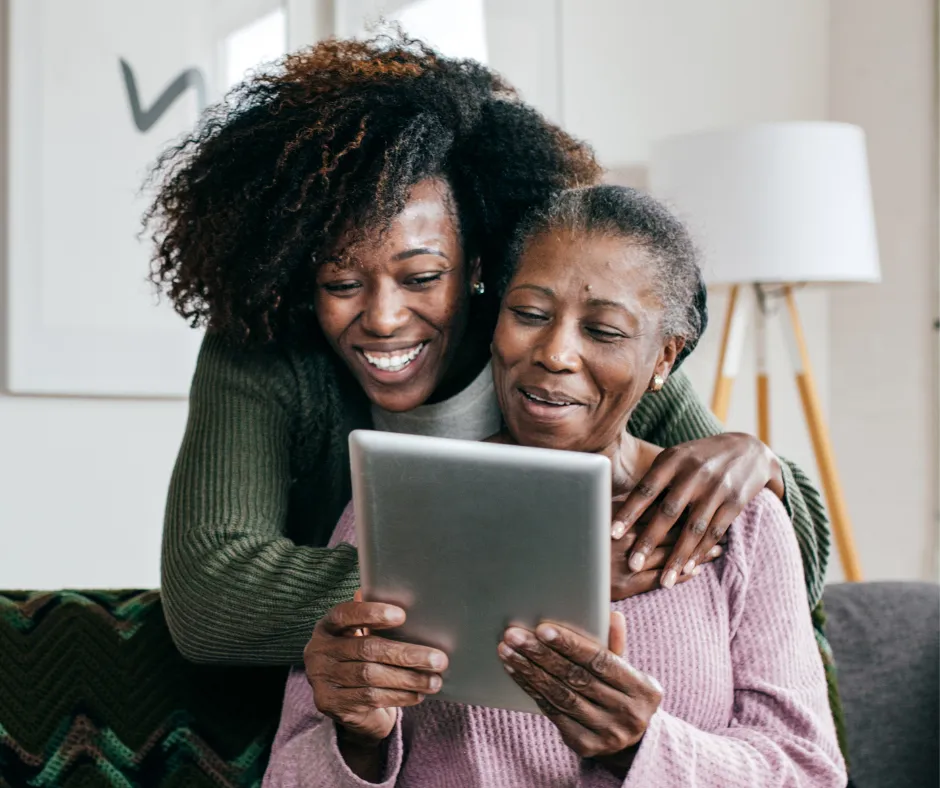
Caring for a loved one can be one of the most meaningful roles a person can take on, but it can also be physically, emotionally, and mentally demanding. Between managing medications, coordinating appointments, monitoring health, and balancing everyday responsibilities, caregivers often find themselves stretched thin.
Modern technology has made caregiving more manageable than ever before. From medication reminder apps to video calls with healthcare providers, today's digital tools can help caregivers stay organized, improve communication, and support older adults who want to remain as independent as possible.
While technology can never replace the compassion and connection that caregivers provide, it can make day-to-day responsibilities easier and give families greater peace of mind.
According to the National Institute on Aging, many older adults wish to remain in their own homes for as long as possible, a concept often referred to as aging in place. Technology can help make that goal more achievable by supporting safety, communication, and health management.
For caregivers, digital tools can reduce stress by simplifying routine tasks and helping families stay connected, even when they live far apart.
The right technology can help caregivers stay organized, monitor your loved one’s well-being, improve communication with loved ones, respond quicker in an emergency, and much more. Rather than replacing caregiving, technology helps families spend less time managing logistics and more time enjoying meaningful moments together.
Keeping track of multiple prescriptions can quickly become overwhelming, especially when medications have different schedules or dosage requirements. Medication reminder apps, electronic pill dispensers, and smart medication organizers can help reduce missed doses and provide reminders throughout the day. Some systems can even notify caregivers if medication has been missed.
These tools can also make it easier to keep an up-to-date medication list for healthcare appointments, reducing the chance of confusion or errors.
Traveling to frequent medical appointments can be challenging for both caregivers and older adults. Telehealth has expanded access to healthcare by allowing many routine appointments to take place through secure video calls. While some conditions still require in-person visits, virtual appointments can be convenient for follow-up care, medication reviews, and discussions with specialists.
Telehealth may also reduce travel time, limit exposure to illness, and make it easier for family members to participate in appointments from different locations.
Many smart home technologies are designed to help older adults live safely and independently.
Examples include:
- Smart doorbells and security cameras
- Voice-controlled assistants that answer questions or set reminders
- Smart lighting that turns on automatically
- Smart thermostats that maintain a comfortable temperature
- Leak and smoke detectors that send alerts
- Motion sensors that can notify caregivers if activity patterns change
· Voice-controlled assistants that answerquestions or set reminders
· Smart lighting that turns on automatically
· Smart thermostats that maintain a comfortabletemperature
· Leak and smoke detectors that send alerts
· Motion sensors that can notify caregivers ifactivity patterns change
These tools can provide reassurance without being overly intrusive, helping caregivers stay informed while respecting a loved one's independence.
Wearable technology has become increasingly useful for older adults. Many smartwatches and fitness trackers can monitor physical activity, heart rate, sleep patterns, and even detect falls. Some devices allow users to contact emergency services or notify designated family members if assistance is needed.
While these tools should not replace medical care, they can provide valuable information that helps caregivers recognize changes in health or activity levels.
Caregiving isn't just about physical health. Emotional well-being is equally important. Video calling platforms make it easier for families to stay connected, especially when loved ones live in different cities or states. Regular virtual visits can reduce feelings of loneliness while allowing caregivers to visually check in on a loved one's well-being.
Grandchildren can share milestones, friends can stay in touch, and family members can participate in celebrations without needing to travel.
Many caregivers don't work alone. Siblings, relatives, neighbors, and friends often share responsibilities. Shared digital calendars allow everyone involved to keep track of:
- Medical Appointments
- Medication Schedules
- Grocery Deliveries
- Transportation Needs
- Caregiver Shifts
- Family Visits
Having one centralized schedule reduces confusion and helps ensure everyone stays informed.
Many healthcare providers now offer secure online patient portals where individuals and authorized caregivers can access medical information. These portals often allow families to:
- View Test Results
- Request Prescription Refills
- Review Visit Summaries
- Send Questions to Healthcare Providers
- Schedule Appointments
-
Having important information available in one place can make managing care much less stressful.
As helpful as technology can be, it works best when combined with compassionate, personal care. A reminder app cannot replace a conversation over coffee. A smartwatch cannot replace holding someone's hand. Technology should make caregiving easier by reducing administrative tasks and improving communication, giving families more time to focus on what truly matters.
Simple moments like sharing stories, taking a walk, or enjoying a favorite meal together remain some of the most meaningful forms of care.
By combining modern tools with patience, empathy, and thoughtful planning, families can create a caregiving experience that supports both independence and meaningful connection.
Share:



Newsletter Signup
Stay up-to-date with Science Care, medical research, and health and wellness tips.