Blog
How to Prepare for Flu Season
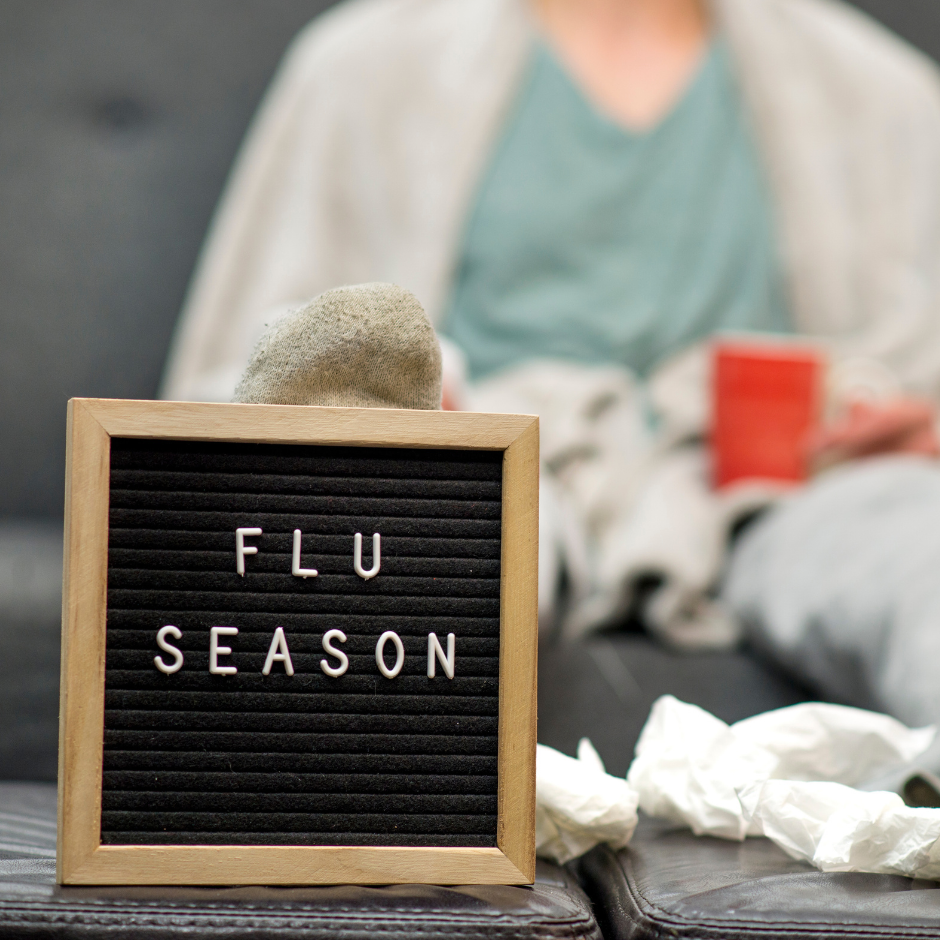
As temperatures cool and people spend more time indoors, fluseason begins to make its annual appearance. While the flu may seem like aroutine seasonal illness, it can lead to serious complications, especially forolder adults, young children, pregnant individuals, and those with underlyinghealth conditions.
Fortunately, a little preparation can go a long way. Takingproactive steps before flu season peaks can help protect your health, reducethe spread of illness, and give you peace of mind throughout the fall andwinter months.
When is Flu Season?
In the United States, flu season typically begins in thefall, peaks between December and February, and can continue into the spring.Influenza viruses circulate every year, but the severity of each season canvary depending on the strains that are most prevalent.
Flu Vaccine
One of the most effective ways to protect yourself frominfluenza is by receiving a yearly flu vaccine.
The viruses responsible for seasonal flu change over time,which is why a new vaccine is developed each year to target the most likelycirculating strains. Even when the vaccine does not completely prevent illness,it often reduces the severity of symptoms and lowers the risk ofhospitalization and serious complications.
The Centers for Disease Control and Prevention (CDC) recommends annual flu vaccinationfor everyone six months of age and older unless otherwise advised by theirhealthcare provider. Because it takes about two weeks for the body to buildimmunity after vaccination, health experts recommend preparing before fluactivity increases in your community.
Strengthen Your Immune System
While no supplement or quick fix can guarantee protectionfrom illness, healthy habits can help support your immune system throughout fluseason.
Consider focusing on:
- Getting 7-9 hours of quality sleep each night
- Eating a balanced diet rich in fruits, vegetables, whole grains, and lean proteins
- Staying physically active through regular exercise
- Managing stress through mindfulness, relaxation techniques, or hobbies
- Staying hydrated throughout the day
These everyday habits contribute to overall wellness and mayhelp your body respond more effectively to infections.
Practice Good Hygiene
Flu viruses spread primarily through respiratory dropletswhen infected individuals cough, sneeze, or talk. Good hygiene remains one ofthe simplest and most powerful ways to reduce exposure.
Helpful practices include:
- Wash hands frequently with soap and water for at least 20 seconds
- Use alcohol-based hand sanitizer when soap and water are unavailable
- Avoid touching your eyes, nose, and mouth
- Cover your coughs and sneezes with a tissue or your elbow
- Regularly clean frequently touched surfaces such as doorknobs, phones, keyboards, and countertops
Small habits practiced consistently can make a meaningfuldifference.
Have a Plan if You Become Sick
Preparing for flu season also means thinking ahead in caseillness affects you or someone in your household.
Consider keeping essential supplies on hand, including:
- A thermometer
- Fever-reducing medications, as recommended by your healthcare provider
- Tissues and hand sanitizer
- Hydrating beverages and easy-to-prepare foods
If you develop flu-like symptoms, staying home, resting, andlimiting contact with others can help support recovery while reducing thespread of illness.
Know When to Seek Medical Care
Most people recover from the flu at home, but certainsymptoms may require prompt medical attention. Difficulty breathing, persistentchest pain, severe dehydration, confusion, or symptoms that worsen afterinitially improving should be evaluated by a healthcare professional.
Individuals who are considered high risk for complicationsshould contact their healthcare provider early if flu symptoms develop, asantiviral medications can be most effective when started within the first 48hours of illness.
Flu season arrives every year, but it does not have to catchyou off guard. By getting vaccinated, practicing healthy habits, maintaininggood hygiene, and preparing for unexpected illness, you can help protectyourself and those around you.
A little preparation today can make asignificant difference in staying healthy through the months ahead, allowingyou to focus on what matters most: spending time with family, supporting yourcommunity, and enjoying the season.
Share:


Newsletter Signup
Stay up-to-date with Science Care, medical research, and health and wellness tips.