Blog
Living With Loss: How Grief Changes Over Time
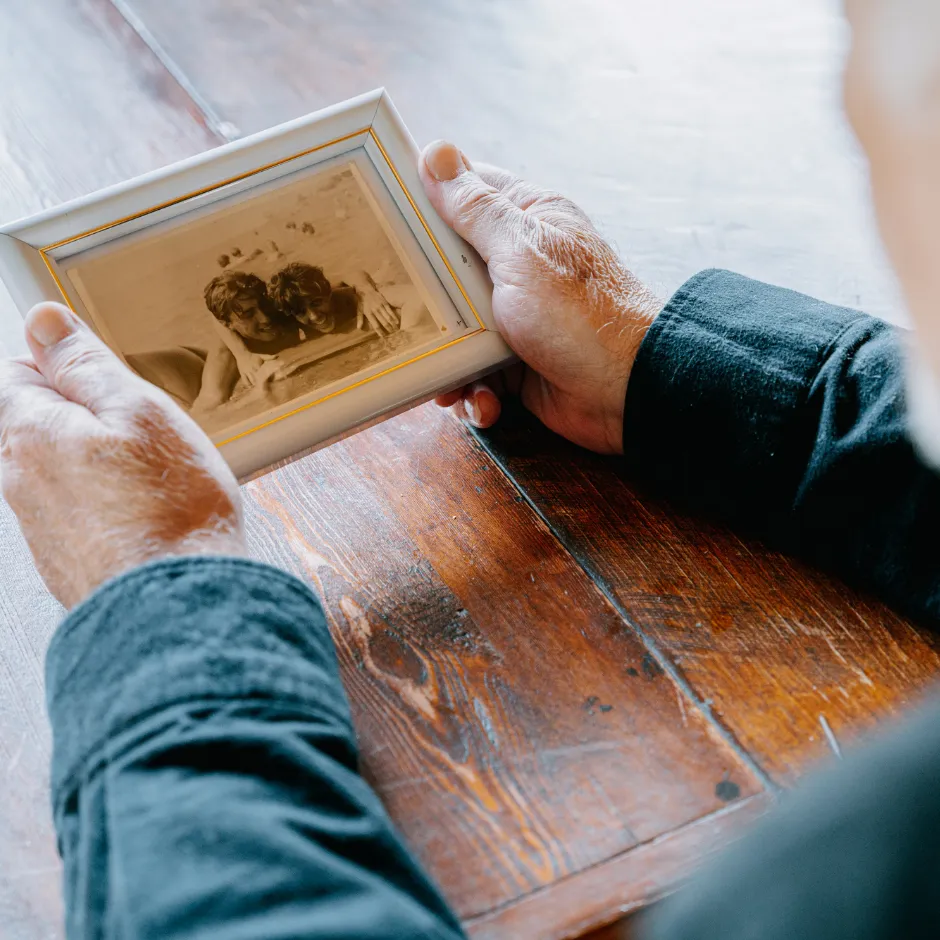
Grief is one of the deepest experiences we go through as humans. It affects every aspect of our lives: our emotions, routines,relationships, and even our sense of self. For families who have lost someone dear, the path through grief is very personal and often unpredictable. Though grief may never fully disappear, it does change with time. Understanding these changes can provide comfort during an otherwise overwhelming experience.
The Early Days
Right after a loss, many people feel shocked or numb. Thiscan be confusing, especially when emotions don’t align with expectations. Some individuals may experience deep sadness, while others may feel oddly detached. During this stage, grief is often about survival. Routine tasks can seem exhausting, and it’s common to go through the day on autopilot. This is the mind and body’s way of safeguarding against emotional overload.
The Weight of Absence
As days turn into weeks, the reality of the loss becomes more evident. This is when grief often deepens. The absence of a loved one maybe more noticeable during quiet moments, daily routines, or family events. Emotions can become more complicated during this period. Along with sadness, people may feel anger, guilt, confusion, or even unexpected relief. It isimportant to remember that all of these feelings are valid. Grief is not a straight path, and there is no “right” way to feel.
Adjusting to a New Normal
Over time, many begin to adapt to life without their loved one. This does not mean the loss is over; instead, it means that grief becomes part of daily life. You might find moments when you can laugh again, enjoy activities, or feel a sense of peace. These moments can sometimes bring guilt, but they are a natural part of healing. Finding joy does not lessen love or memory. Rather, it shows resilience through the ability to hold onto both love and loss.
Staying Connected
One of the biggest shifts in grief is how we keep connected with those we’ve lost. Instead of “letting go,” many find solace in maintaining bonds through memories, traditions, stories, or acts of remembrance. For families who choose to donate, there can be extra meaning in knowing their loved one’s legacy continues through helping others. This sense of purpose can play an important role in the healing process.
Grief Over Time
People often say that grief comes in waves. Even after months or years, certain moments can bring feelings rushing back. This doesn’t mean you’re going backward. It simply shows that your love remains. Over time, many find that the waves become less intense. They may still come, but there’s more space between them and more strength to handle them.
Moving Forward, Not Moving On
Grief doesn’t have a finish line. Instead of “moving on,” many learn to move forward, carrying their loved one’s memory with them. If you are grieving, it’s important to be kind to yourself. Healing takes time and looks different to everyone. Seeking support from family, friends, or counselors can make a significant difference.
Above all, remember this: you are not alone, and what you’re feeling is a natural part of being human.
Share:



Newsletter Signup
Stay up-to-date with Science Care, medical research, and health and wellness tips.