March 2026
This Month: How Different Cultures Honor Death, Living With Loss, Making Big Decisions, and More!
How Different Cultures Honor the Body After Death
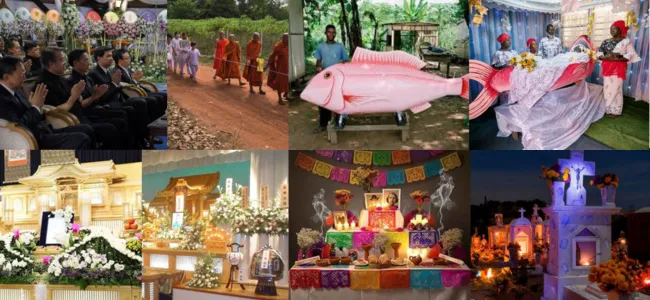
Across the world, the way a community cares for the body after death reveals deep truths about how it understands life itself. Rituals are not only about loss — they are about gratitude, continuity, and the relationship between the living and those who came before them.
Here’s a respectful look at how several cultures honor the body after death, and what those traditions teach us about legacy and meaning.
In Japan, funerals are often influenced by Buddhism and Shinto traditions. The ritual washing and preparation of the body reflect purification and dignity. After cremation, family members participate in a bone-picking ceremony, carefully transferring remains into an urn using chopsticks — an intimate act of collective care.
Ancestral remembrance continues long after the funeral. Many families maintain a home altar (butsudan), where they offer incense and prayers.
Cultural value reflected:
Gratitude extends beyond death. The deceased remain part of the family system, honored and consulted spiritually.
In Mexico, particularly during Día de los Muertos, families build ofrendas (altars) with photos, favorite foods, and marigolds. Cemeteries fill with music, candles, and storytelling.
Rather than framing death solely as loss, this tradition emphasizes joyful remembrance and reunion. The body may be buried or cremated, but what endures is the relationship.
Cultural value reflected:
Legacy lives through memory. Love does not end — it changes form.
Among the Ga people of Ghana, funerals are vibrant community events. Some families commission “fantasy coffins” — elaborate designs shaped like fish, airplanes, cocoa pods, or tools — symbolizing the person’s profession or passion.
The body is honored as the vessel of a unique life story.
Cultural value reflected:
Death is not anonymity. It is a final statement of identity and contribution.
In Thailand, Buddhist funerals often include several days of chanting by monks. The presence of the body offers an opportunity for reflection on impermanence — a central teaching in Buddhism.
The ceremony is both a farewell and a reminder: life is precious because it is temporary.
Cultural value reflected:
Honoring the body includes learning from it. Mortality deepens mindfulness.
Shared Themes Across Cultures
Though practices differ, several universal threads emerge:
- The Body is Sacred
Whether buried, cremated, or ritually prepared, the body is treated with intention and care. - Death as a Continuity
Few cultures see death as an abrupt end. Most traditions emphasize transformation, transition, or ongoing connection. - Community Participation
From bone-picking ceremonies to candlelit gravesides, honoring the dead is rarely solitary. It reinforces social bonds. - Legacy Beyond Physical Form
The body may return to earth, fire, or water — but stories, lessons, and values endure.
Understanding global traditions invites humility. It reminds us that gratitude, dignity, and learning are universal, even when expressed differently.
Living With Loss: How Grief Changes Over Time
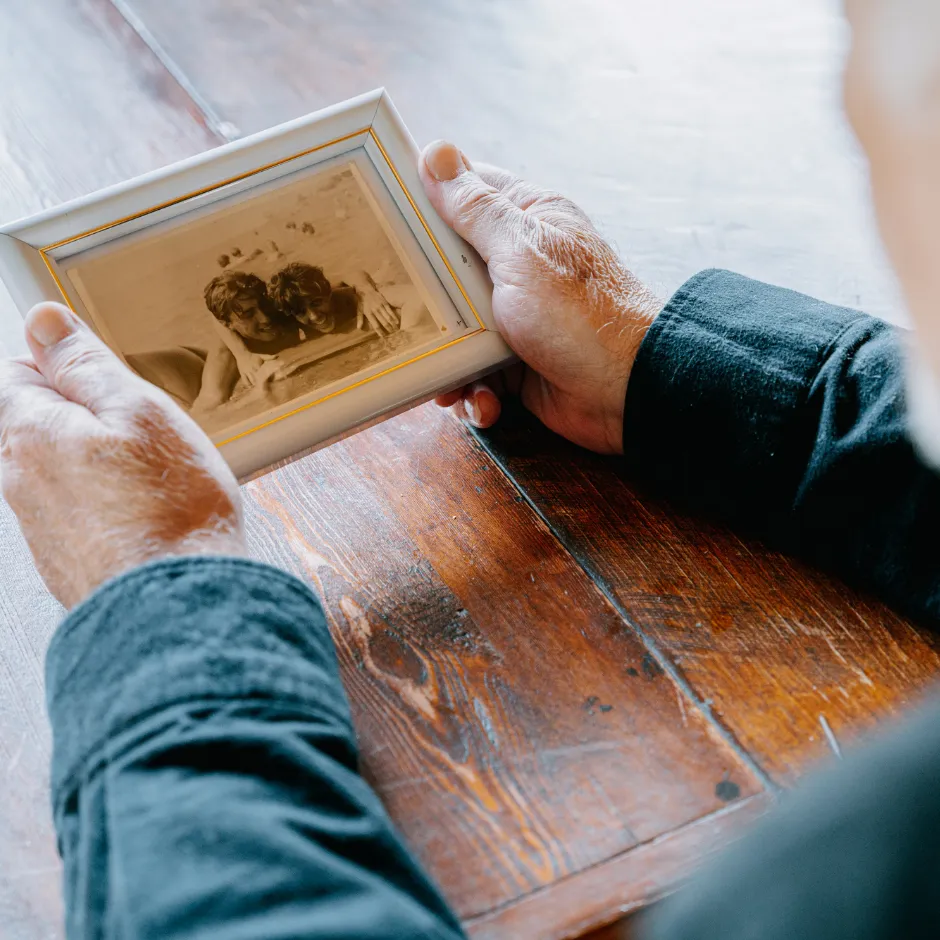
Grief is one of the deepest experiences we go through as humans. It affects every aspect of our lives: our emotions, routines, relationships, and even our sense of self.
For families who have lost someone dear, the path through grief is very personal and often unpredictable.
READ MORE

What if I Want to Donate, but My Family Wants a Funeral?
Making decisions about what happens after death isn’t easy, and it is deeply personal. For some, the choice to donate their body to science is a way to leave a legacy of helping others. But what if your family wants something different, like a traditional funeral or burial?
The good news is it doesn’t have to be one or the other. It is possible to choose donation and still have a funeral or memorial service.
READ MORE

Making Big Decisions Without Feeling Overwhelmed
Big decisions are a part of life, but they aren’t easy. Whether you’re planning for the future, making arrangements for yourself or someone you care about, or considering emotional options, feeling overwhelmed is normal.
Important choices can bring uncertainty, stress, and even cause you to avoid them. The good news is that you can tackle big decisions with more clarity and confidence, one step at a time.
Newsletter Signup
Stay up-to-date with Science Care, medical research, and health and wellness tips.