Blog
Gratitude After Loss: How Giving Can Support the Healing Process
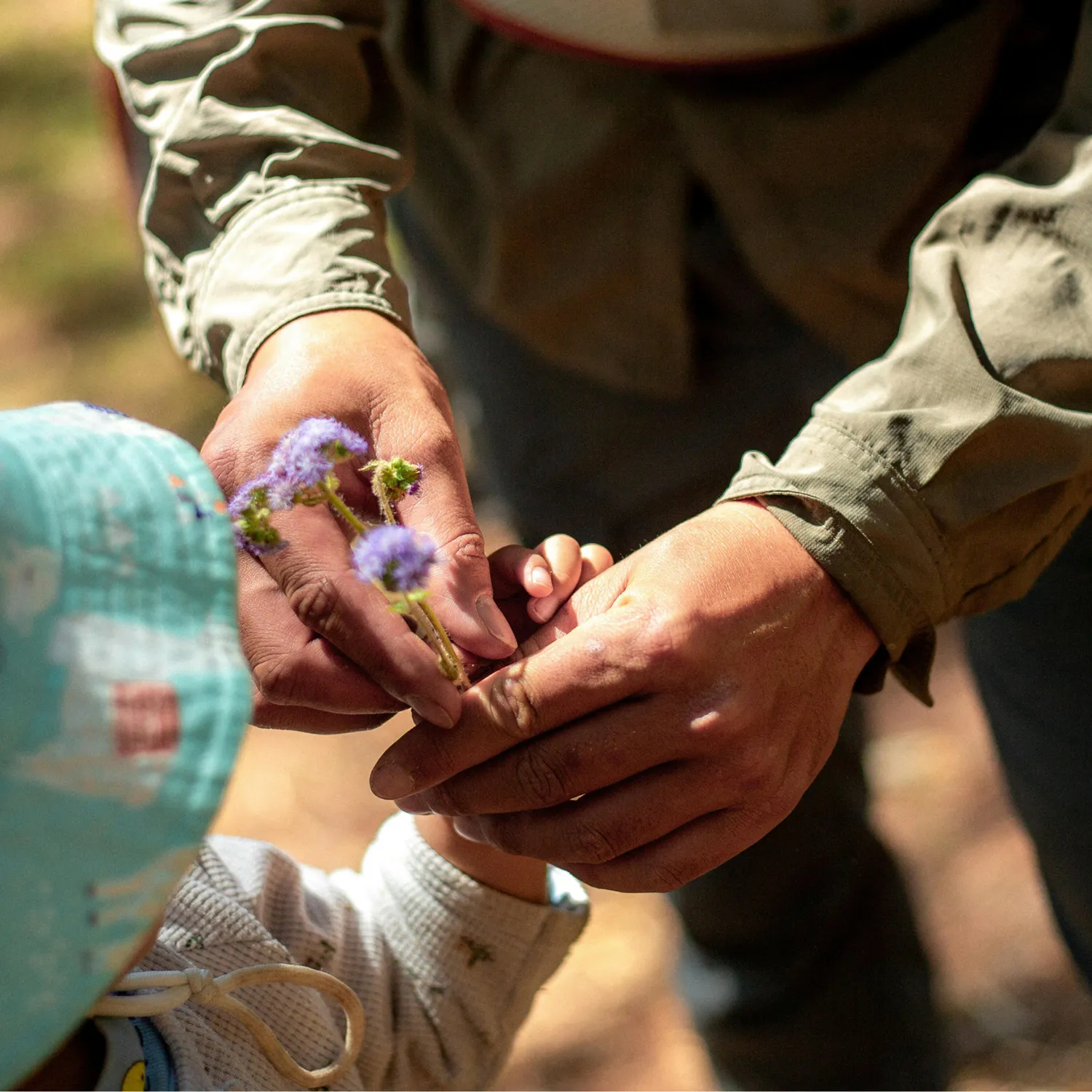
Grief changes everyday life. After a loss, even familiar routines may start to feel different. Time can seem off, emotions can arise unexpectedly, and finding meaning might feel out of reach. Many people don’t anticipate feeling gratitude during such a challenging time.
Yet, for those dealing with grief, gratitude does not disappear. It takes on a new form. It can become quieter and more complex, often showing up in unexpected moments. One way people reconnect with gratitude is through acts of giving.
Grief is not just an emotional experience. It challenges beliefs about safety, continuity, and identity. When someone significant in our lives dies, the mind looks for something stable to hold on to. This search contributes to the disorientation of grief. It’s not solely about sadness, but about reshaping how the world is understood.
During this time, meaning becomes crucial. People frequently ponder what truly matters, what remains, and how to move forward with their lives. Meaning does not erase grief, but it can lessen the sense of isolation. Often, meaning comes back through connection, especially through acts of care for others.
Giving back, in its many forms, plays a quiet yet powerful role in the grieving process. This can include volunteering, donating belongings, supporting causes, or simply spending time with others. What makes giving significant during grief is not how big the action is, but the intention behind it.
For many people, donating becomes a way to:
- Honor a loved one’s memory
- Maintain a bond instead of feeling severed
- Transform emotional pain into something meaningful
- Reconnect with a sense of purpose or usefulness
When grief feels paralyzing, giving can restore a small but vital sense of control. It serves as a reminder that even in loss, a person can still impact the world around them.
Healing from grief doesn’t mean forgetting, instead, it involves finding new ways to stay connected. Donation can be one of those avenues. Donating to a medical research organization in honor of someone lost to illness, supporting a shelter or community group that mirrors a loved one’s values, or volunteering in the name of a loved one on significant dates are all great ways to put grief into action.
These actions do not replace the one who has passed, but they allow love and memory to take a form that still interacts with the world. In this sense, giving is more about continuity than closure.
Grief often leads to inward thoughts. This focus is natural and not negative; it arises from emotional injury. However, over time, an exclusive inward focus can contribute to feelings of isolation or stagnation. Giving gently disrupts this pattern. Acts of generosity can:
- Broaden focus beyond personal suffering
- Reinstate a sense of community connection
- Reinforce identity beyond grief
- Create small moments of accomplishment andmeaning
Even small actions, like organizing donations or contributing a modest monthly gift, can shift emotional focus significantly. It is not about moving on. It is about creating space for grief so that it does not consume everything.
Gratitude after loss does not mean being thankful for the loss itself. Instead, it often arises from recognizing what remains: memories, connections, support, and moments of meaning that persist alongside sorrow. It is entirely possible for grief and gratitude to exist together. They often coexist in a way that captures the complexity of love and loss.
Over time, giving back can help make this coexistence more tangible. They do not heal grief by removing it, but by providing an outlet for it through action, memory, and ongoing care. In this way, healing shifts from returning to who someone was before the loss, to learning how to carry the loss in a manner that still allows for meaning, connection, and even small moments of gratitude.
Share:



Newsletter Signup
Stay up-to-date with Science Care, medical research, and health and wellness tips.